Get Stronger Without Bulking Up: A Lean Strength Plan
Get Stronger Without Bulking Up: A Lean Strength Plan
What Getting Stronger Actually Means
Strength is your ability to produce force. You might lift a heavier dumbbell, perform a squat with better control, or notice that carrying groceries feels easier. Those are all signs of progress, even if your appearance barely changes.
Strength and visible muscle growth are related, but they are not the same thing. As you learn an exercise, better technique and coordination can help you perform it more effectively. This can be especially noticeable when you are new to training. No routine can guarantee zero muscle growth, however. Becoming noticeably more muscular generally takes sustained training and enough food over time; it does not happen because you added a few controlled strength sessions to your week.
Check the product’s listed specifications when evaluating what getting stronger actually means.
Build a Week You Can Repeat
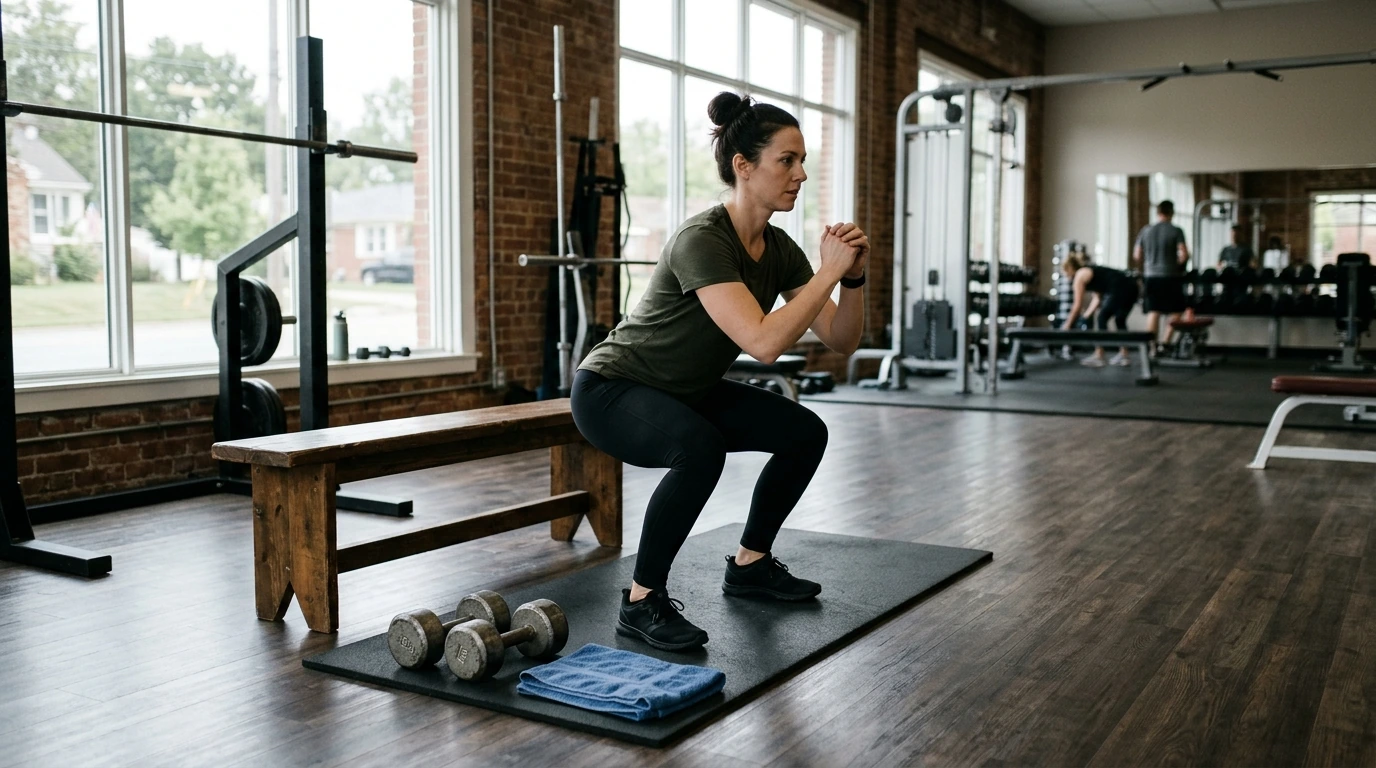
Try two or three full-body sessions a week, with recovery time between sessions that challenge the same muscles. Include a squat or step-up, a hip hinge, a push, a pull, and a carry or core-stability movement. Choose bodyweight, dumbbells, or bands according to what you can use with control.
For an initial session, you might do two sets of five to eight controlled repetitions of a chair squat, dumbbell Romanian deadlift, incline push-up, and band row, followed by two comfortable farmer carries or planks. This is an example framework, not a promise about workouts in our digital guide. Let the final repetitions feel challenging, but stop if you have to rush, twist, or lose your position.
A chair squat gives you a clear target if an unsupported squat feels uncertain. For an incline push-up, use a sturdy elevated surface. If a movement causes pain, stop and choose an appropriate alternative rather than pushing through it.
Featured in this guide
How to Get Stronger Without Bulking Up | Lean Strength Guide for Women & Men | Fitness eBook | Tips for Getting Stronger Without Bulking Up Too Much | Digital Download Strength Training Plan
Progress Without Adding Endless Work
Keep a few core exercises consistent long enough to learn them. Record the exercise, resistance, repetitions, and how each set felt. You can also note practical changes, such as steadier lifting or easier stairs.
Once your repetitions feel controlled, adjust one thing: add a little resistance, complete another repetition, or use a comfortable, improved range of motion. Give yourself time to adapt before changing something else. More fatigue is not automatically more progress.
Make Recovery Part of the Plan
Eat regular meals that give you enough energy, including protein-containing foods you enjoy. Restrictive eating is not required to pursue a lean-strength goal, and under-fueling can make training harder. Water is a practical everyday hydration choice; a protein drink may be convenient, but no drink builds strength on its own.
Allow time for sleep and rest between demanding sessions. If you have an injury or medical condition, seek individualized guidance before starting or changing your training.
Check the product’s listed specifications when evaluating make recovery part of the plan.
Give Yourself Two Weeks to Establish a Baseline
Over the next two weeks, you could aim for four to six full-body sessions. Record a few movements at the start, then compare your control and performance at the end. Two weeks may be enough to notice a movement feeling more familiar, especially if you are a beginner; it is not a deadline for a visible transformation.
Compare related options such as Reviving the Dead: Bring Your TikTok Videos Back to Life 💥 – The Dead Video Revival Strategy Guide to match features, dimensions, and use case before choosing.
Before choosing, compare the product details with your daily routine, available space, care needs, and preferred setup. The strongest option is usually the one that fits the intended use clearly and remains simple to clean, store, and check before repeat use.
FAQ
What does “get stronger” mean?
It means improving your ability to produce force. You may lift more, perform an exercise with better control, or find a daily physical task easier.
What to drink for strong muscles?
Water is a useful everyday choice for hydration. A protein drink can be convenient if it helps you meet your food needs, but no drink alone builds strength.
Can I increase my strength in 2 weeks?
You may notice better coordination or performance in two weeks, especially if you are a beginner. Use that time to establish a routine and record a baseline; lasting progress takes longer.
See if How to Get Stronger Without Bulking Up | Lean Strength Guide for Women & Men | Fitness eBook | Tips for Getting Stronger Without Bulking Up Too Much | Digital Download Strength Training Plan fits your setup








Leave a comment